I like my gear in particular ways, and I like talking about it when the mood fits. I am obsessed about NOT having the latest and greatest and sharpest but instead using something with character. My cameras and I have to mesh, we have to get along through our imperfections. The specs are secondary. That's why I like old stuff. If I could afford it, I would have a vast collection of vintage cameras and lenses so I could play around with their specific personalities, but I only have a few. Even so, getting them to work is something that makes me happy. Sometimes the journey is the whole point.
So I started my 120 film journey (on the wrong foot)
I'm a digital and 35mm shooter because I've always been too poor to afford the cost of film + developing + scanning medium/large format. That was out of the realm of possibility for me my entire life so I wrote it off and never even looked at medium format cameras. But a few months ago, as a result of working with scanning in the photo lab and seeing some beautifully preserved medium format film on the daily, I was fixated on the idea of getting a Pentax 6x7, and took the plunge. That didn't go over well, as in my first attempt at getting one from eBay, it came with a broken lens. I returned it and I was very despondent when one of my bosses wanted to cheer me up and lent me his Yashica Mat 124G so I could have my first go at medium format.
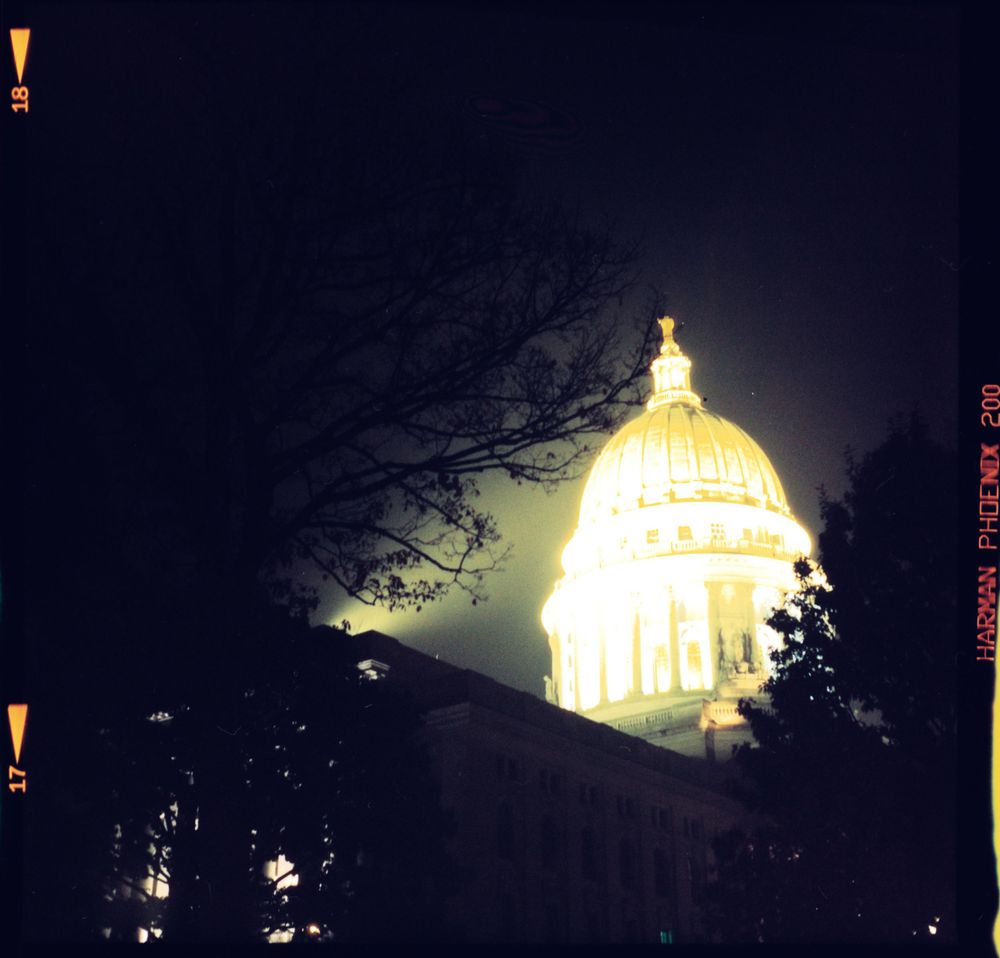
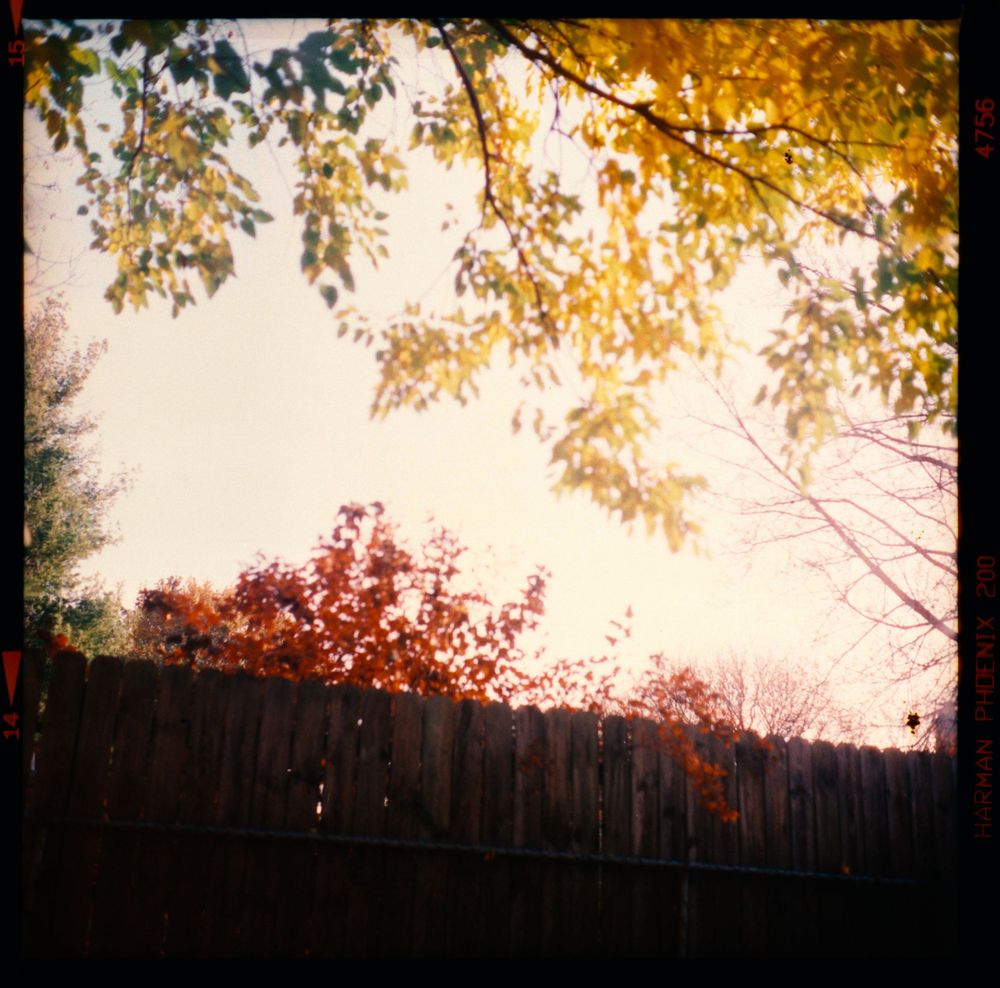
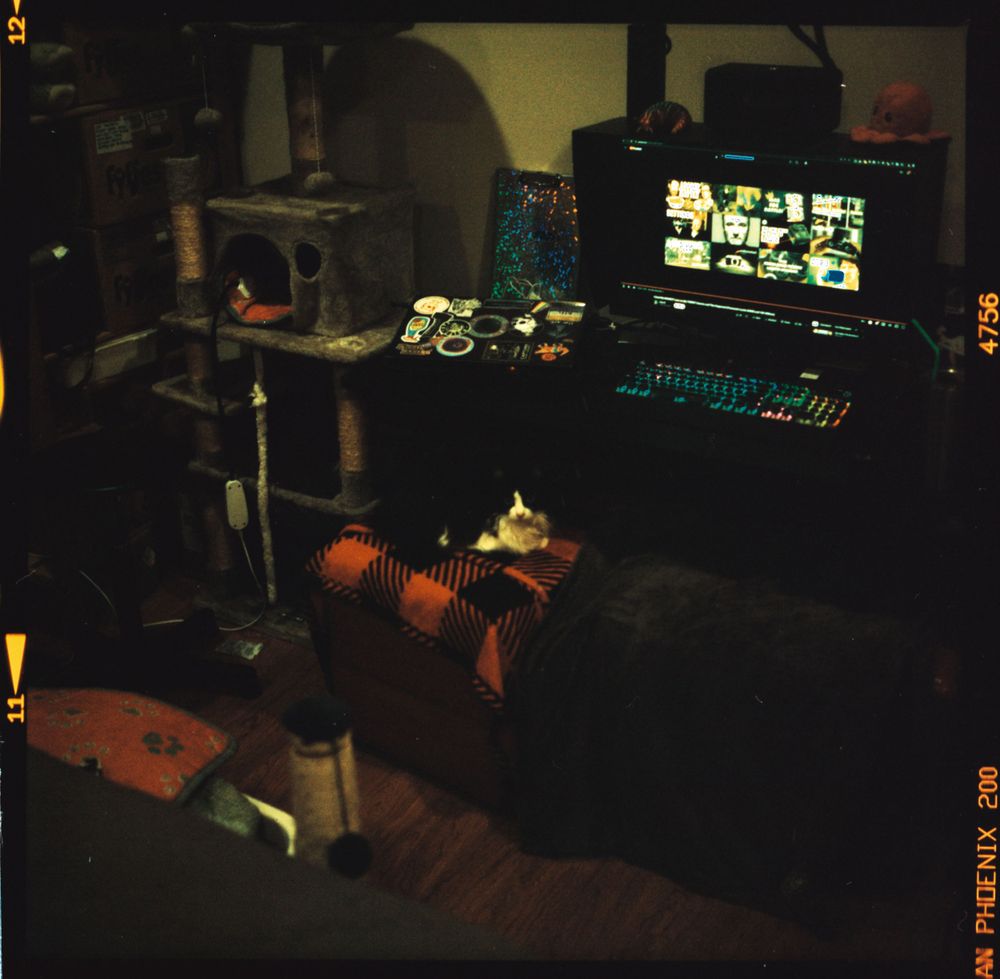
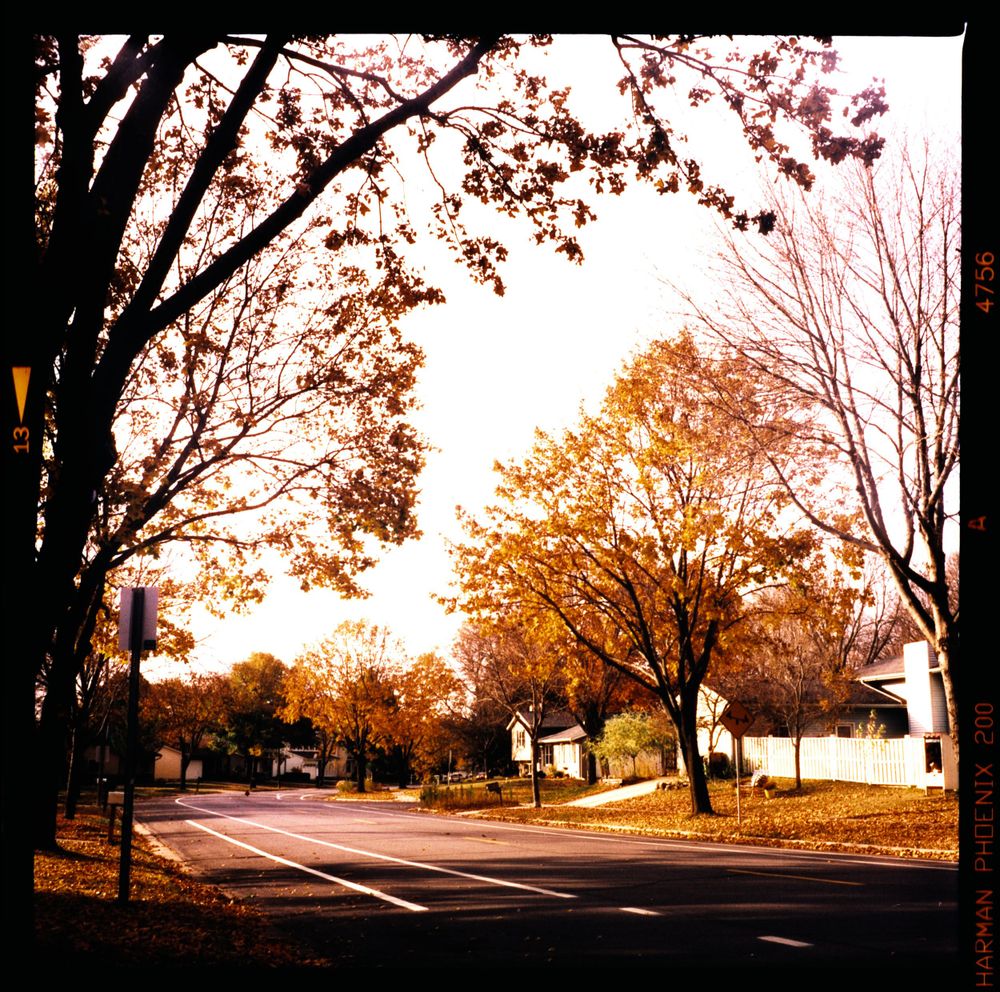
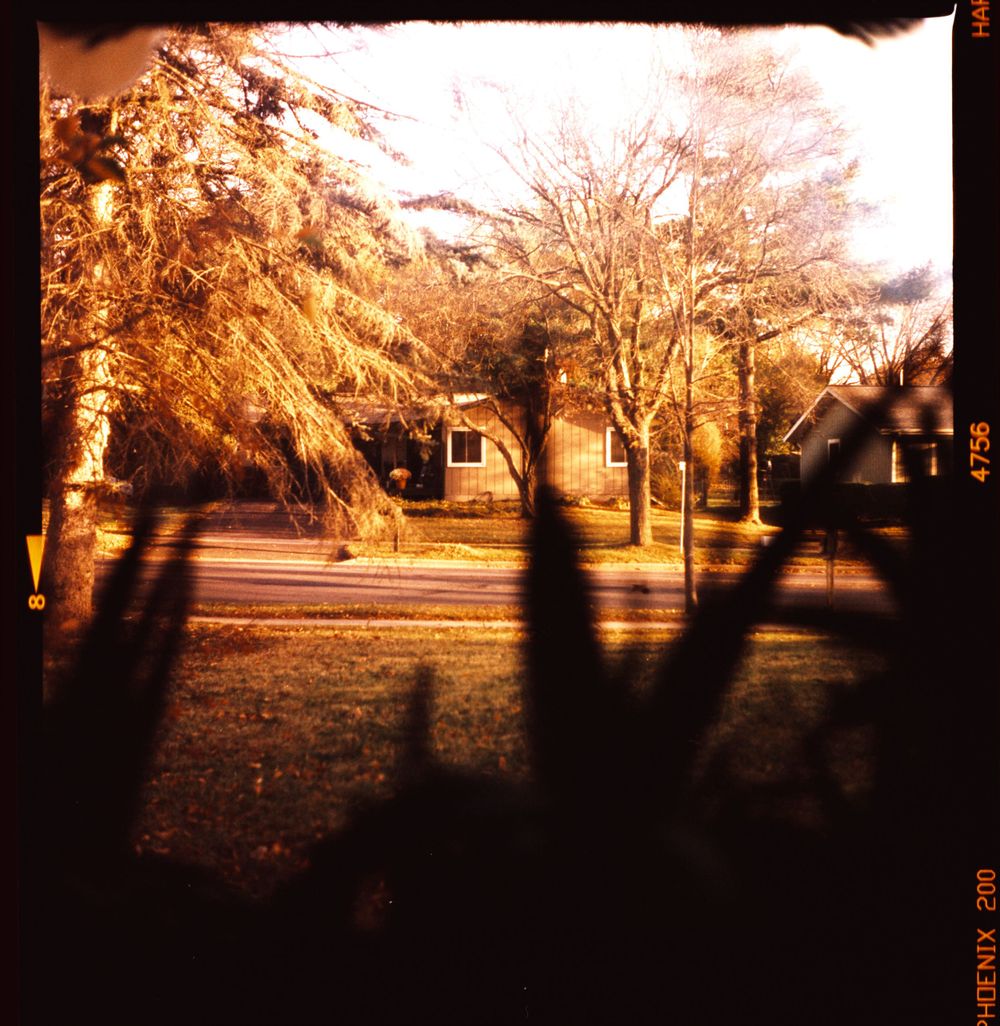
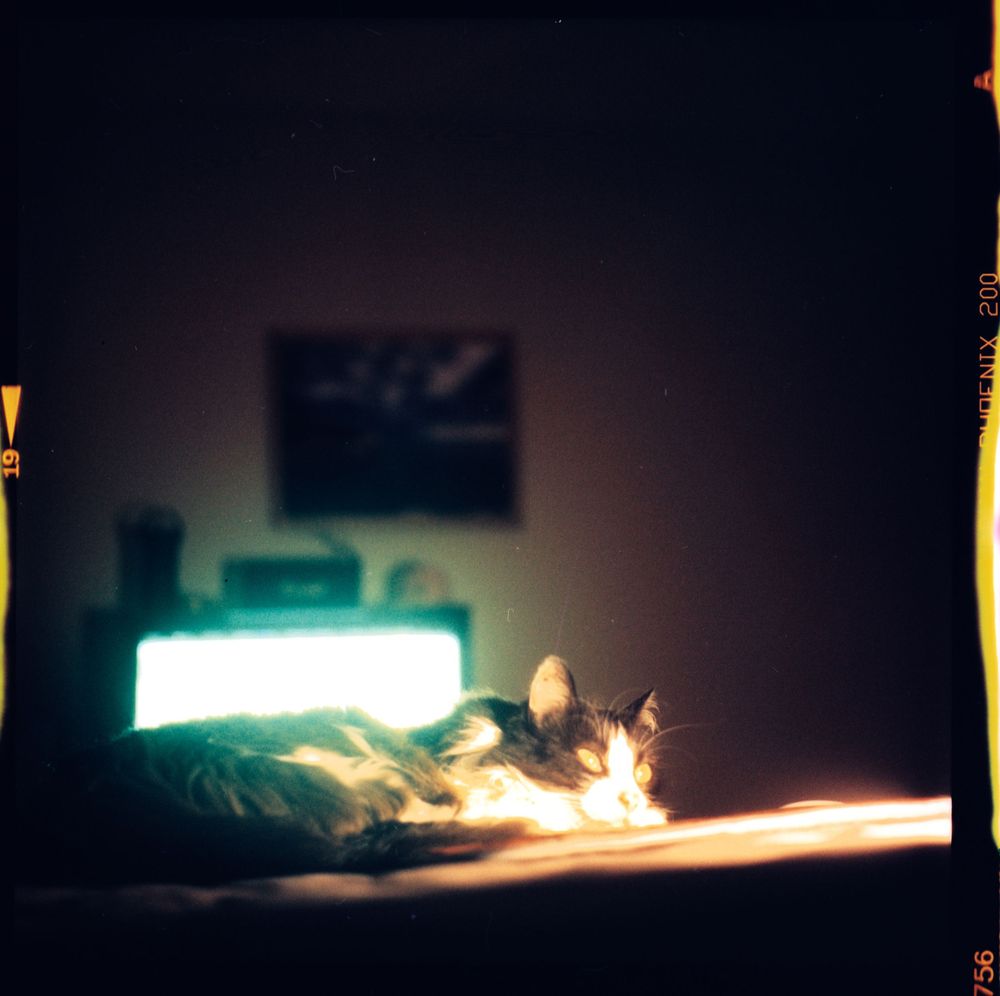
I decided to be quirky and chose Harman Phoenix 200 to begin with. What's not to like about a new film stock, made in the present day that's not Kodak and with a lot of character? Shot it at box speed and using the camera's own meter. Here are the results, which I scanned at home to reduce costs (so forgive the dust):
What I learned
It's a good camera, I guess. They say online that it's one of the best beginner friendly medium format cameras. I'm thankful I got to try it. But as you can see I struggled way too much with focusing and framing. Half of the time, I forgot to set the focus because I got distracted adjusting for the parallax error and trying to find my way with the mirrored image. I came to the conclusion that I prefer to "no scope" and to zone focus than to use the waist level finder. Most of my successful shots were like that. Overall I didn't enjoy the experience, even when the shots were okay. I can tell this type of camera is not for me.
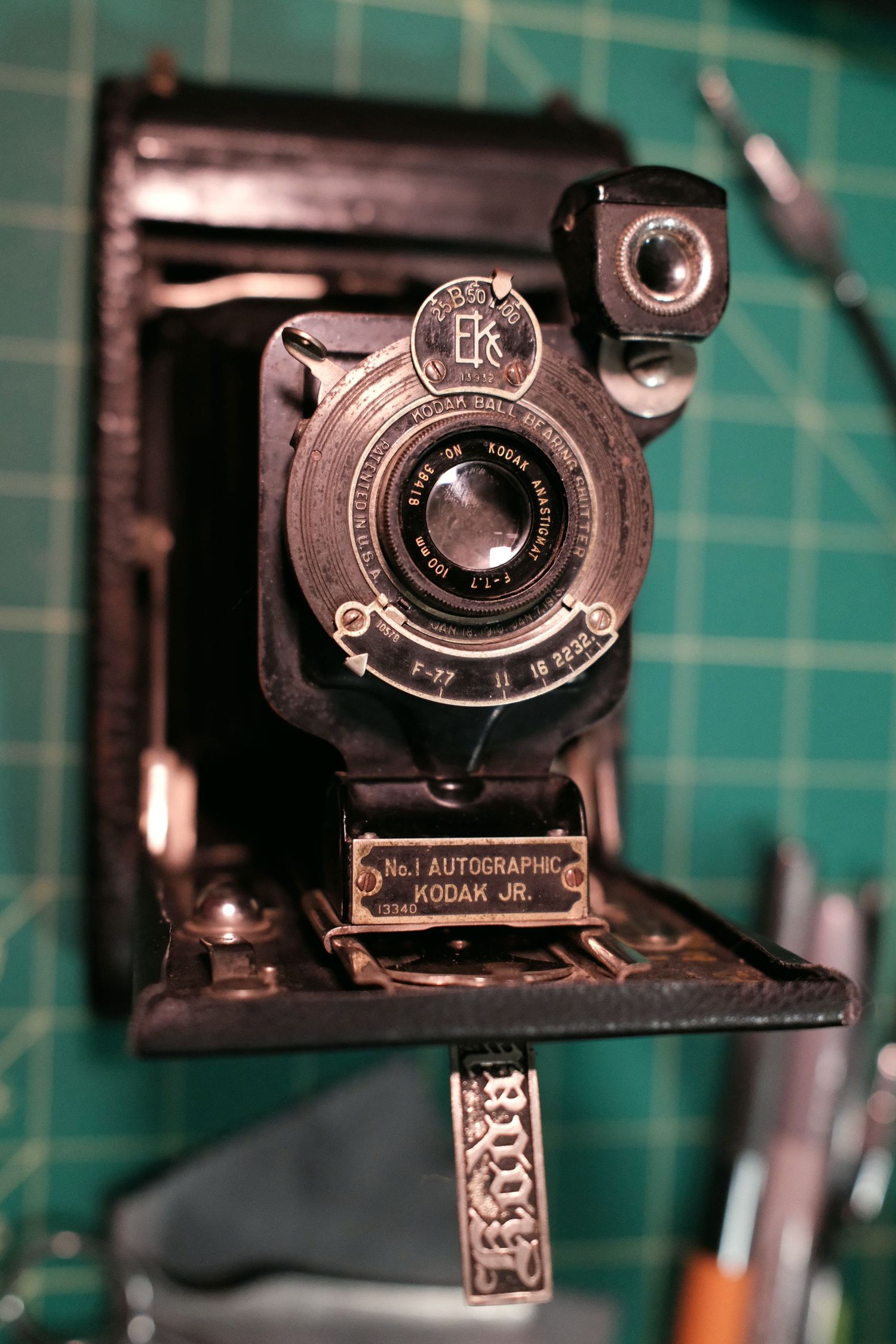
But then while I was still waiting for my film back from the lab, a coworker gave me a century-old Kodak Autographic Jr No.1 camera. This old guy here:
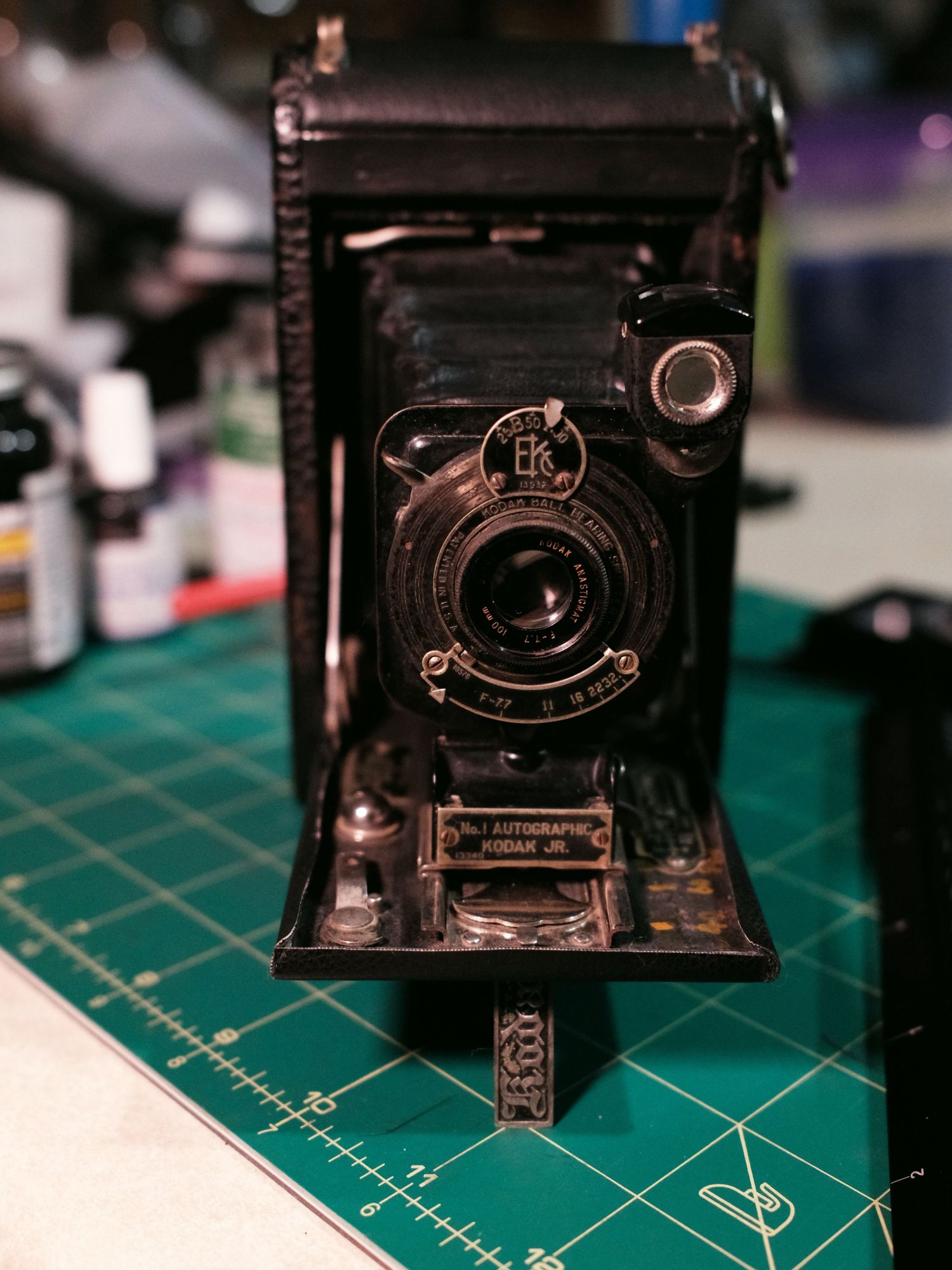
The Kodak Autographic Jr No.1, seen here after the makeover (yes it still looks a little dusty, and I don't want to put time into cleaning it anymore)
Tinkering as means of satisfaction
I know I can't get stellar images out of a camera made in the 1920s with a 100mm f/7.7 one-element lens (or two?) and only 4 shutter speeds. But I was more excited at the prospect of getting this camera to a better shape. The lens was decently clean, with minor dust, and the shutter speeds all worked and apertures were nice and smooth. It was the body that was in rough condition. It was covered in caked-on dust, and the outer leather had disintegrated and was flaking off. I wanted to get this to look good (let's admit it's a pretty stylish camera - just look at the gothic Kodak logo) and so I started a month long project to give it a makeover.
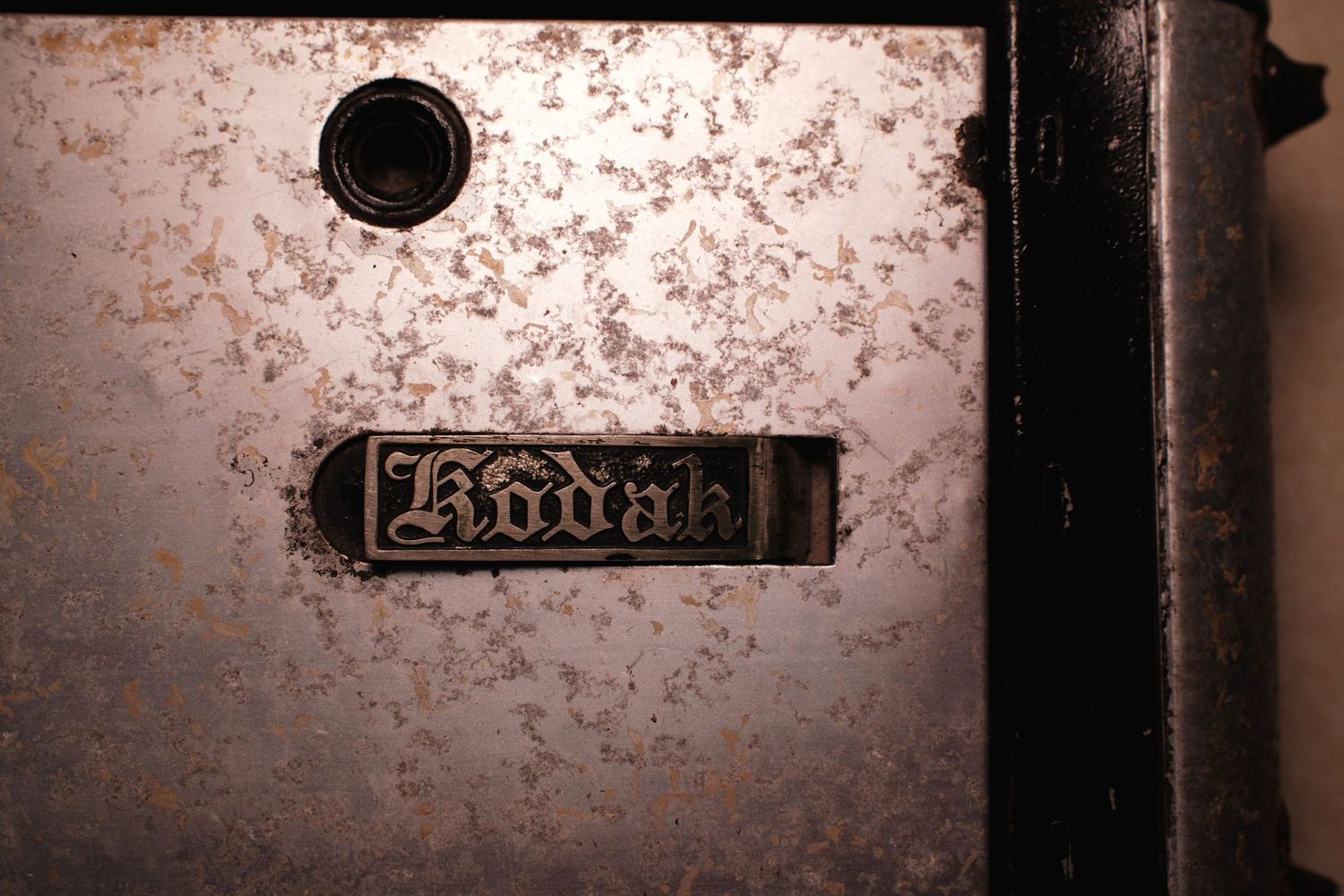
Forgot to take a before photo, but this is how the front cover looked after I shaved off a ton of dried out leather
I freed myself of the expectation of getting results out of this camera, and focused on the idea of "fixing" it. On weekdays late at night and on weekends when I wasn't out in a photo session, I would have a go at scraping off some of the old leather, glue and paint until I finally got to the point of polishing the metal with a Dremel and gluing on some new leather. I had no idea how to cut out the shape perfectly - I saw that people bought pre-made kits online, but there wasn't one for this model - so I struggled with it and had to do it 3 times until I got to a place where I said "this is the best I can do without a die-cut machine" then I stopped and called it acceptable. There is excessive leather in parts, missing in others, but whatever. At least I know the back is light-tight, right?
I also cleaned the little viewfinder. Not that it's gonna be of much use. But it looks nice and shiny. And lastly, I repaired a few holes in the bellows with the magic of liquid electrical tape. There were only 4 very tiny ones, which I consider very good for the age of this camera. Now I call it ready to shoot.
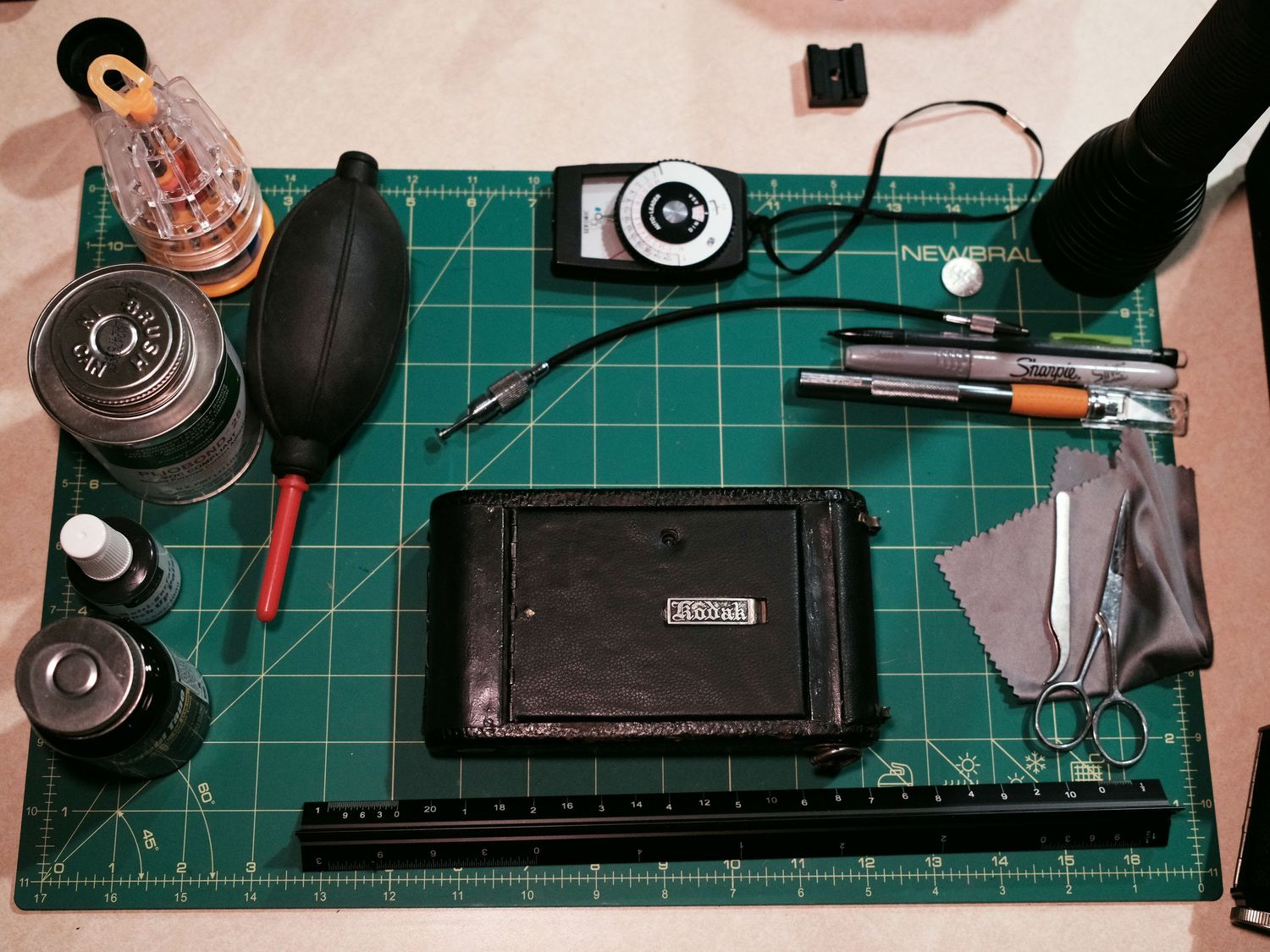
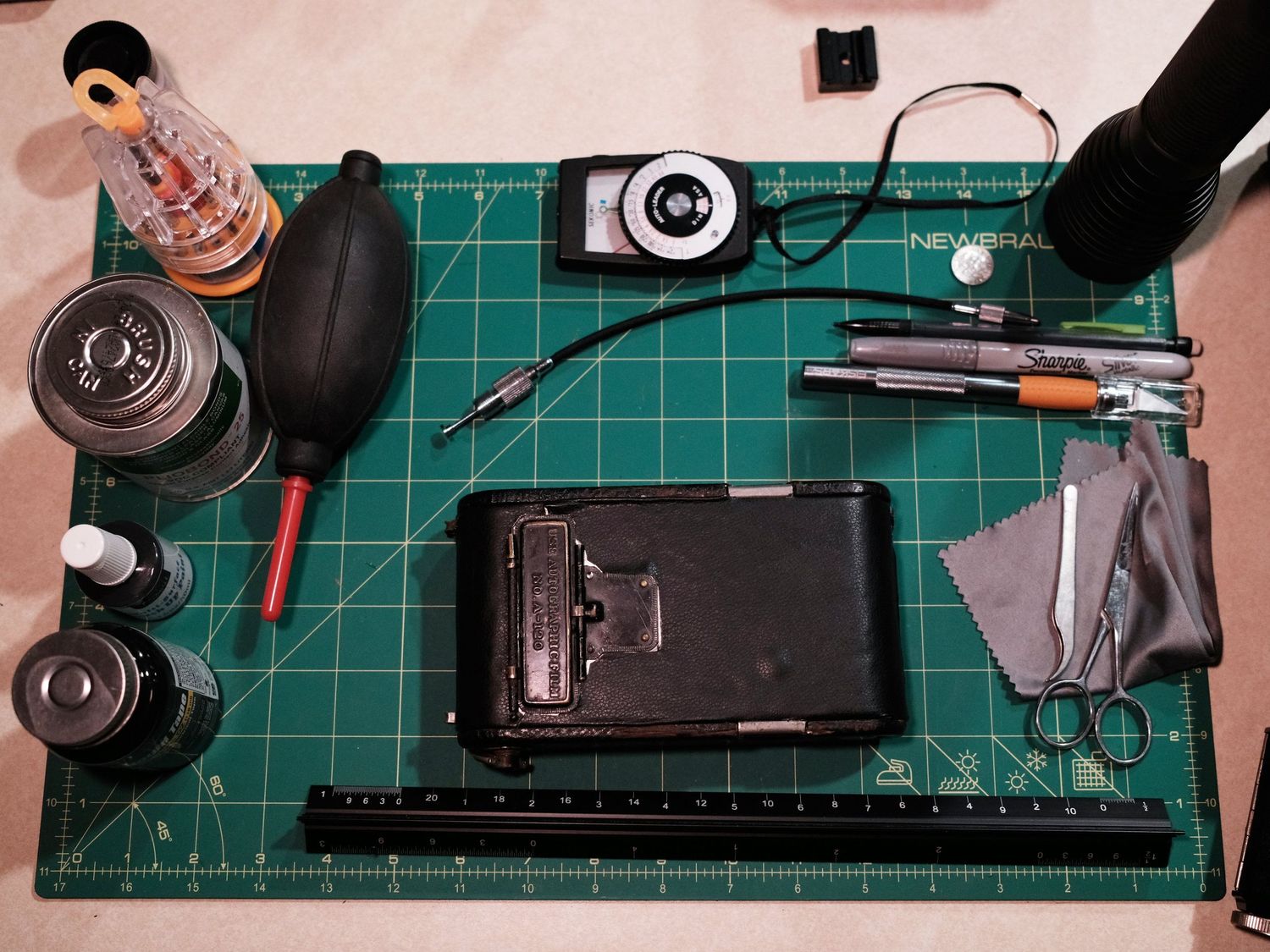
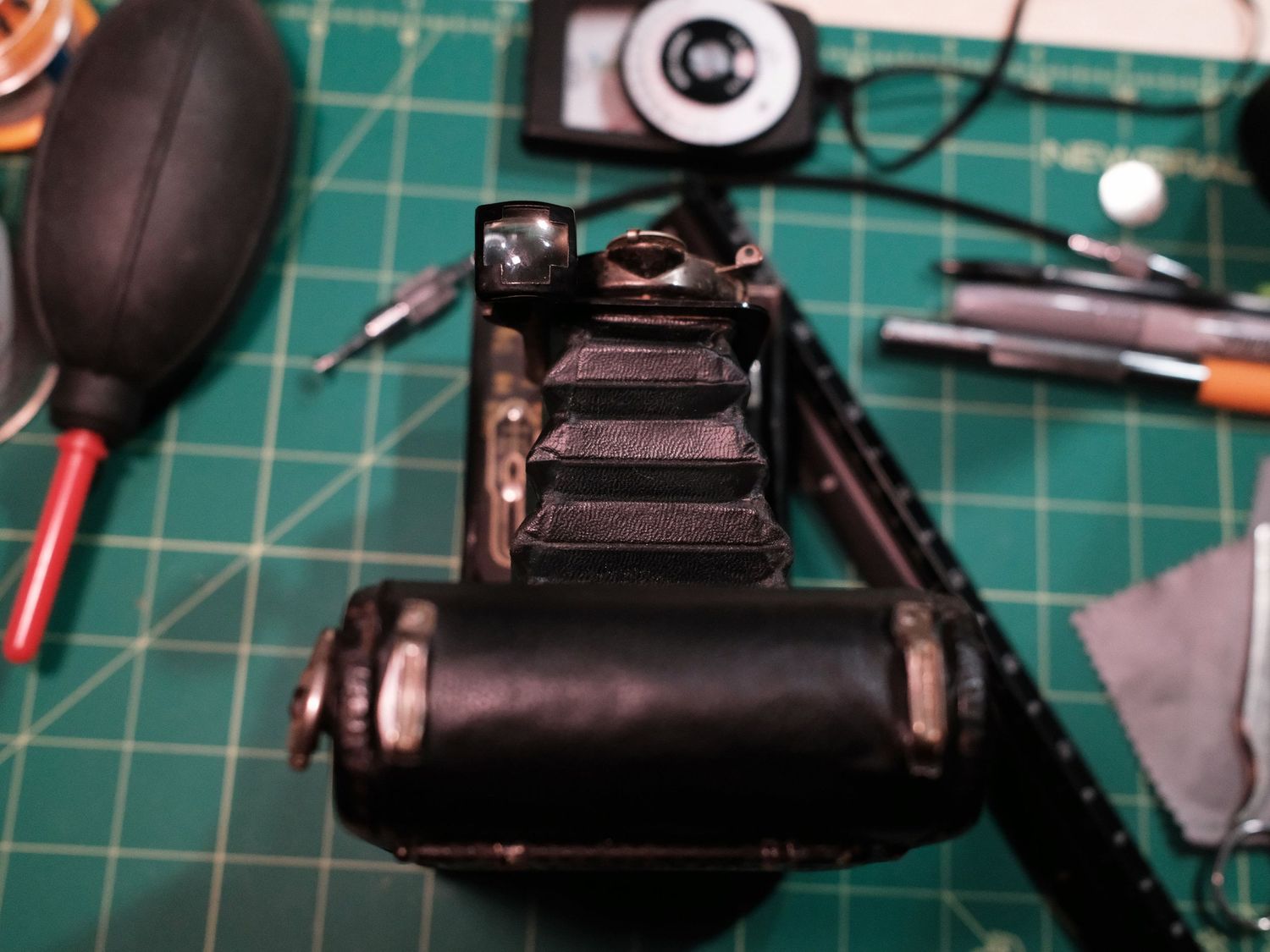
And we'll pause the journey here
I don't know if/when I'm gonna use this camera. There's one tiny thing left to do: the back had a red window, meant for you to check the frame number when advancing to the next shot. But this only works with orthochromatic film (not sensitive to red light). I don't want this limitation so I covered the little window and now I have to figure out how many rotations I need on the crank to advance each frame. This involves probably sacrificing a roll, so I'm putting it off.
But it was really fun so far. I get a lot of joy just looking at the camera and remembering how dirty and ugly it looked before. Just knowing I can carry this 100 year old device in my pocket one of these days when the mood strikes feels like an accomplishment. This is, I guess, a post to be continued. If I ever get some photos out of the Old Jr, I'll make sure to post them!
A little lesson
As photographers who call ourselves artists, we feel tremendous amounts of impostor syndrome when we like gear. When we take pleasure out of the act of having a camera, of comparing specs, of acquiring new equipment, of fixing and exploring old gear. As if our tools needed to be invisible. As if the cameras we use and how we interact with them were not part of photography. But I disagree. We're allowed to get joy out of the journey of photography however we feel like it. For me, this was a little moment of that. I made no photos with the Autographic Jr. yet, but I'm satisfied.